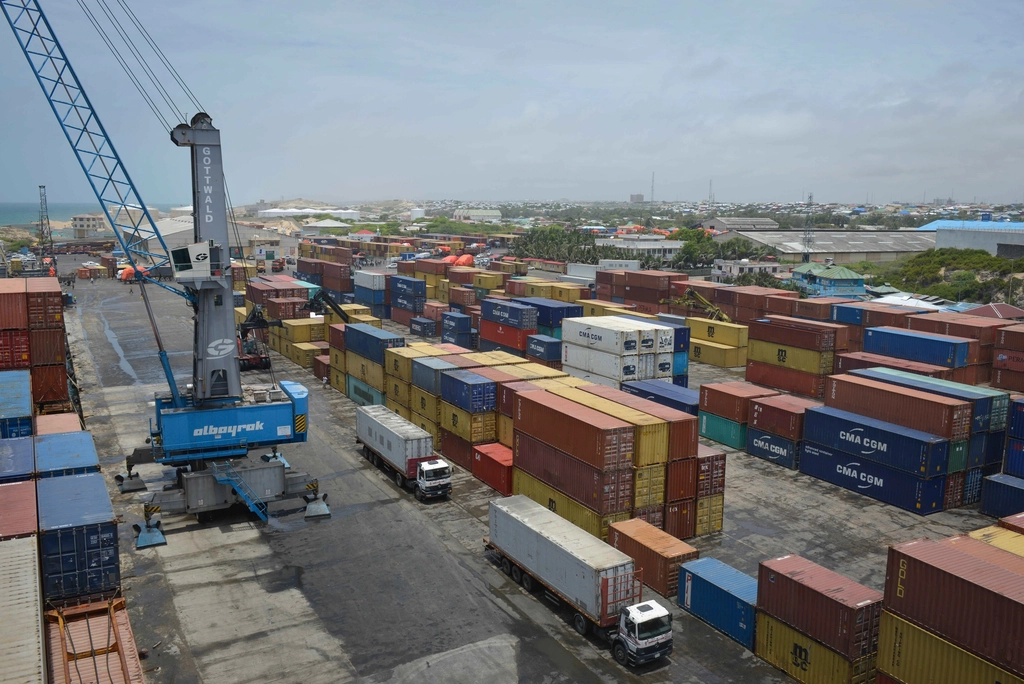
When shipping paint and solvents internationally from the UAE, you're dealing with flammable liquids, which are classified as dangerous goods. This means strict adherence to packaging, labeling, and documentation requirements is essential to ensure safe and compliant transit, whether by air, sea, or land.
Understanding Dangerous Goods Classification for Flammable Liquids
Paints, solvents, inks, and adhesives often fall under Class 3 Flammable Liquids according to the International Maritime Dangerous Goods (IMDG) Code, International Air Transport Association (IATA) Dangerous Goods Regulations, and ADR for road transport. This classification dictates specific handling procedures, packaging standards, and documentation to mitigate risks like fire or explosion during transit from Dubai, Abu Dhabi, or Sharjah to destinations like Saudi Arabia, Egypt, or Europe.
It's crucial to understand that not all paints or solvents are equally hazardous. The specific flash point, viscosity, and chemical composition determine the exact sub-classification and the stringency of the regulations. For instance, some water-based paints might not be classified as dangerous goods, while highly volatile solvents will have very strict requirements.
Essential Documentation for Flammable Liquids
Proper documentation is paramount for shipping dangerous goods from the UAE. Here's what you'll typically need:
- Safety Data Sheet (SDS/MSDS): This is the most critical document. It provides comprehensive information about the substance, including its hazards, composition, handling, storage, and emergency procedures. The SDS is used by carriers and customs to classify the material correctly and determine appropriate transport methods.
- Dangerous Goods Declaration (DGD): Also known as a Shipper's Declaration for Dangerous Goods, this document certifies that the cargo has been correctly classified, packed, marked, and labeled according to the applicable regulations.
- Commercial Invoice and Packing List: Standard shipping documents that must accurately describe the goods, including their dangerous goods classification.
- Customs Declarations: Required for export from the UAE and import into the destination country, these declarations must align with the dangerous goods classification.
Without accurate and complete documentation, your shipment will face significant delays or outright rejection by carriers and customs authorities in the UAE and at its destination.
Packaging and Labeling Requirements for Flammable Liquids
The integrity of your packaging is vital when shipping flammable liquids. Regulations specify certain types of packaging that are designed to safely contain dangerous goods and prevent leakage or damage during transit.
Approved Packaging Types
For flammable liquids, you'll often need UN-certified packaging. This means the packaging has undergone rigorous testing and meets specific performance standards. Common types include:
- Drums: Steel or plastic drums, often with specific linings, are used for larger quantities.
- Jerricans: Similar to drums but smaller, suitable for intermediate volumes.
- Boxes: Fiberboard, plastic, or wooden boxes are used for smaller containers, often with absorbent materials inside.
- Combination Packaging: Inner containers (e.g., glass bottles or metal cans) placed within an outer protective packaging with sufficient cushioning and absorbent material.
The choice of packaging depends on the specific UN number, packing group, and quantity of the flammable liquid being shipped. It's crucial to select packaging that is compatible with the chemical properties of the substance to prevent corrosion or degradation.
Correct Marking and Labeling
Once packed, your dangerous goods must be correctly marked and labeled. This includes:
- Proper Shipping Name (PSN): The universally recognized name for the dangerous good, as per the regulations (e.g., 'Paint', 'Adhesives', 'Printing ink').
- UN Number: A four-digit number assigned to dangerous goods (e.g., UN 1263 for Paint).
- Hazard Labels: Diamond-shaped labels indicating the primary and any subsidiary hazards (e.g., a red flame symbol for Class 3 Flammable Liquid).
- Orientation Arrows: For liquid shipments, these labels indicate which way up the package should be kept.
- Consignee and Consignor Information: Clear details of the sender and receiver.
Incorrect labeling can lead to your shipment being held, re-labeled at your expense, or even returned, causing significant delays and additional costs.
Choosing the Right Shipping Method from the UAE
Joudi Cargo offers various solutions for shipping paints, solvents, inks, and adhesives from the UAE, catering to different needs and urgency levels.
Express Air Freight for Dangerous Goods
For urgent shipments of dangerous goods like perfumes, aerosols, lithium batteries, chemicals, and paints from Dubai, Abu Dhabi, or Sharjah, Joudi Cargo utilizes the FedEx dangerous goods service. This specialized service allows for the compliant and rapid transport of classified materials globally. The process requires precise documentation, including a valid Safety Data Sheet (SDS), to ensure adherence to strict air cargo regulations.
Full-Container Load (FCL) Sea Freight
For larger volumes of paints, solvents, or adhesives, especially for factories and importers, FCL sea freight is often the most cost-effective option. Joudi Cargo specializes in FCL shipping from the UAE to Egypt, offering guidance on Egypt’s ACID and CargoX steps, and also provides services to other key destinations. Sea freight offers more flexibility in terms of quantity and can accommodate a wider range of dangerous goods classifications, provided they are properly packed and declared.
Land Freight to the GCC and Egypt
For destinations within the GCC (Saudi Arabia, Kuwait, Qatar, Oman, Bahrain) and to Egypt, land freight by container and full trailer truck is a viable option. For Egypt, we offer land container and truck shipping via Safaga, involving road transport through Saudi Arabia to the Duba–Safaga ferry. This method is suitable for bulk shipments and offers a balance between cost and transit time for regional movements.
Navigating the complexities of shipping dangerous goods requires expertise. Joudi Cargo simplifies the process for you. For instant pricing on express shipping of dangerous goods from the UAE, including paints, solvents, inks, and adhesives, simply tick the “contains dangerous goods” box in our calculator. Remember, a Safety Data Sheet (SDS/MSDS) is required at booking to ensure compliance and smooth transit. Get an instant dangerous-goods shipping quote.