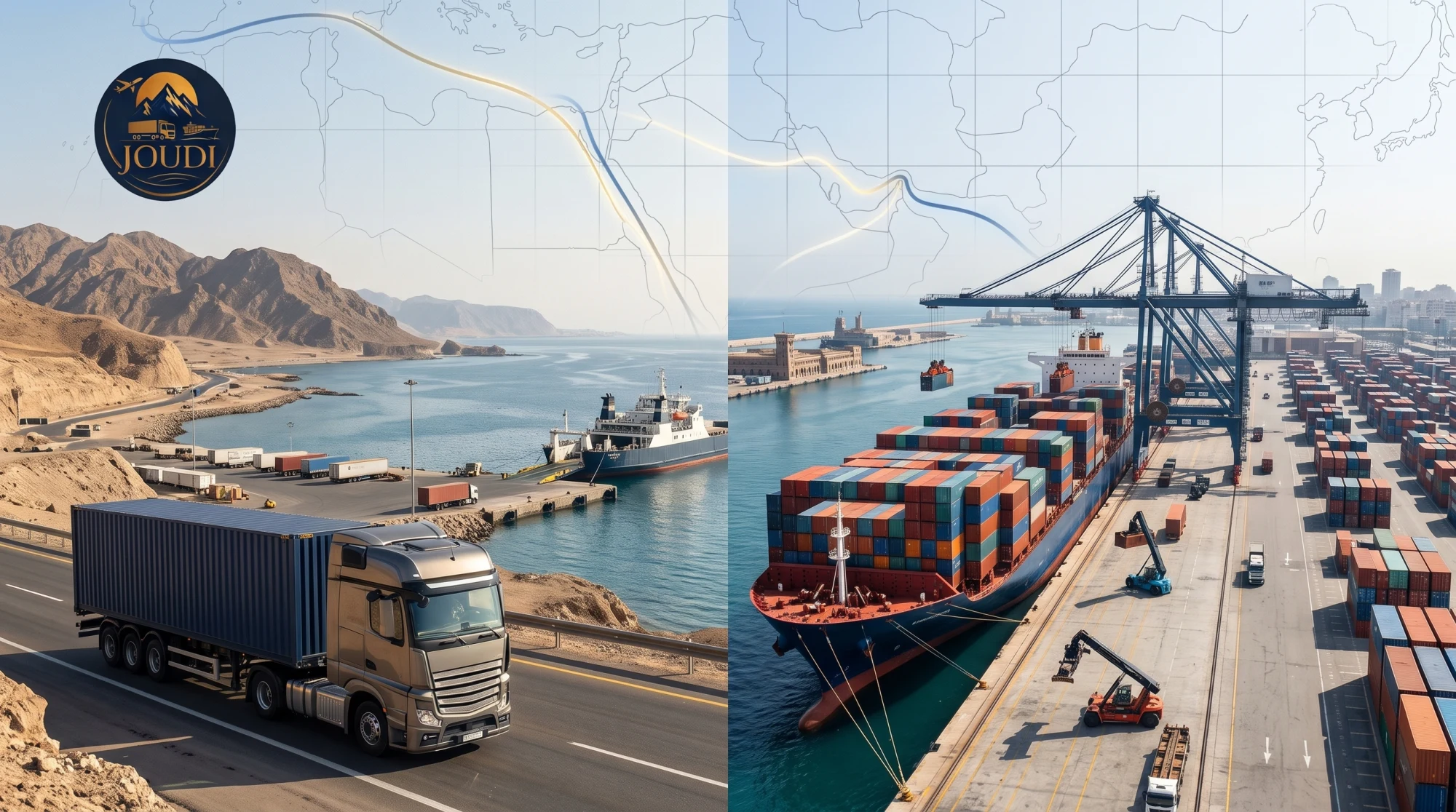
When shipping cargo from the UAE to Egypt, the choice between Safaga and Alexandria ports significantly impacts transit time, cost, and logistics, with Safaga generally offering a more direct and often quicker land-sea route for cargo originating from or destined for Upper Egypt via the Duba–Safaga ferry, contrasting with Alexandria's broader reach across the Mediterranean and Northern Egypt. The optimal port for your Safaga vs Alexandria port UAE cargo depends on your shipment's final destination within Egypt, its urgency, and your budget.
Understanding the UAE-Egypt Shipping Routes
Shipping goods from the UAE to Egypt involves navigating a complex logistics landscape. For businesses in Dubai, Abu Dhabi, or Sharjah looking to send full-container loads (FCL) to Egyptian factories, importers, or suppliers, two primary port choices emerge: Safaga and Alexandria. Each offers distinct advantages and disadvantages, heavily influenced by the type of cargo, its final destination within Egypt, and the overall shipping strategy.
The Safaga Advantage: A Land-Sea Hybrid for Specific Needs
Safaga Port, located on Egypt's Red Sea coast, is often the preferred choice for a unique land-sea route. This method involves:
- Land Transit through the GCC: Cargo departs from the UAE (e.g., from Jebel Ali or Khalifa Port) by land, traveling through Saudi Arabia via full container trucks or trailers. This segment leverages efficient GCC land freight networks.
- Duba-Safaga Ferry: Upon reaching Duba Port in Saudi Arabia, the cargo, still in its container or on its truck, boards a ferry destined for Safaga. This ferry journey bypasses the longer sea route around the Arabian Peninsula and through the Suez Canal, making it a compelling option for speed and directness to certain regions.
Who benefits most from Safaga?
- Cargo for Upper Egypt: If your final destination is in Upper Egypt (e.g., Luxor, Aswan, Assiut), Safaga often provides a shorter inland transit leg compared to Alexandria, potentially reducing domestic transportation costs within Egypt.
- Heavy Machinery: For factories shipping heavy machinery, including those requiring low-bed trailers, the land route through Saudi Arabia and the ferry connection to Safaga can be highly efficient, especially if the machinery is too large or complex for standard container shipping via traditional sea routes.
- Time-Sensitive Shipments to the South: While not always the fastest overall due to land borders, for specific corridors, the Duba-Safaga ferry can offer a streamlined path, especially avoiding potential Suez Canal congestion for cargo heading south.
Considerations for Safaga:
- Border Crossings: The land leg through Saudi Arabia involves customs clearance at borders, which can add to transit times. Joudi Cargo provides expert guidance on these procedures.
- Ferry Schedules: While regular, ferry schedules need to be coordinated precisely to minimize wait times.
- ACID and CargoX: All shipments to Egypt, regardless of port, must comply with Egypt's Advance Cargo Information (ACID) system and be registered on the CargoX platform. Joudi Cargo assists UAE-based exporters with these mandatory steps, ensuring smooth customs processing upon arrival in Safaga.
Alexandria Port: The Gateway to Northern Egypt and Beyond
Alexandria Port, Egypt's largest and oldest port, situated on the Mediterranean Sea, remains a cornerstone for international shipping. For cargo from the UAE, the primary route to Alexandria is via direct sea freight, typically transiting the Suez Canal.
The Alexandria Advantage: Connectivity and Capacity
- Extensive Global Connections: Alexandria is a major international hub, offering frequent sailings and connections to numerous global ports, including those in the UAE.
- Proximity to Major Industrial Zones: For cargo destined for Cairo, Alexandria, and the industrial zones in the Nile Delta, Alexandria offers unparalleled proximity, significantly reducing inland transportation costs and time within Egypt.
- Variety of Services: As a large port, Alexandria handles a vast array of cargo types and container sizes, with extensive infrastructure for various logistical needs.
Who benefits most from Alexandria?
- Cargo for Northern Egypt: If your final destination is Cairo, Giza, Alexandria, or other northern cities, Alexandria is almost always the more logical and cost-effective choice.
- Standard FCL Shipments: For most standard full-container load shipments from factories, importers, and suppliers in the UAE, direct sea freight to Alexandria often provides a reliable and competitive option.
- Broader Market Reach: Importers looking to distribute goods across a wider area of Egypt may find Alexandria's central location for the most populous regions advantageous.
Considerations for Alexandria:
- Suez Canal Transit: While efficient, transit through the Suez Canal can sometimes be subject to queues or delays, though this is generally well-managed.
- Inland Transport to South: If your cargo is ultimately heading to Upper Egypt, the inland journey from Alexandria can be considerably longer and more expensive than from Safaga.
- ACID and CargoX: Just like Safaga, all shipments through Alexandria require strict adherence to the ACID system and CargoX platform registration, a service Joudi Cargo expertly provides for UAE exporters.
Making the Right Choice: Cost, Time, and Destination
The decision between Safaga and Alexandria ultimately boils down to a careful analysis of your specific shipping requirements. Consider these factors:
- Final Destination in Egypt: This is the most critical factor. North = Alexandria; South = Safaga (often).
- Urgency: While the land-sea route to Safaga can sometimes be quicker to specific southern locations, general sea freight to Alexandria can also be highly competitive. Request a quote for precise transit times.
- Budget: Inland transportation costs within Egypt can vary significantly between the two ports. Factor in the total door-to-door cost, not just port-to-port.
- Type of Cargo: Heavy machinery requiring specialized handling might find the Safaga route more accommodating in certain scenarios.
- Customs Expertise: Navigating Egyptian customs, especially with ACID and CargoX, requires experienced partners. Joudi Cargo offers comprehensive guidance regardless of your chosen port.
Whether you're shipping FCL containers, heavy machinery, or general cargo from Dubai, Abu Dhabi, or Sharjah to Egypt, Joudi Cargo offers tailored solutions. Our expertise in both the land-sea route to Safaga and direct sea freight to Alexandria, coupled with our deep understanding of Egypt's ACID and CargoX requirements, ensures your cargo arrives safely and efficiently. Contact Joudi Cargo today for a personalized quote and expert advice on your full-container shipping between the UAE and Egypt needs.