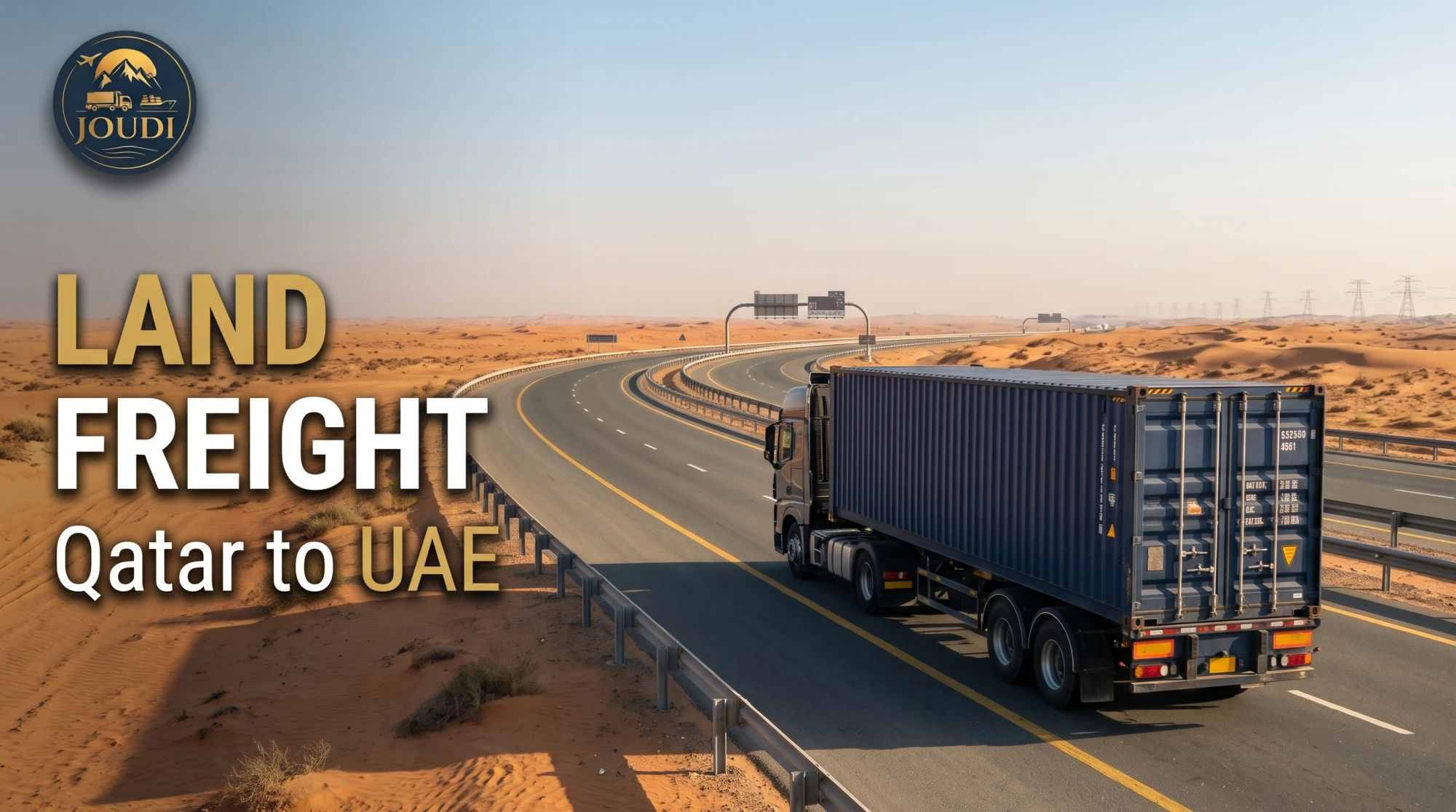
Planning to transport goods by land freight from Qatar to the UAE? This guide will walk you through the essential steps, customs considerations, and logistical aspects of shipping via the Abu Samra and Salwa borders, ensuring a smooth and efficient transit for your imports into Dubai, Abu Dhabi, or Sharjah.
Understanding the Qatar-UAE Land Freight Route
The primary land route for cargo moving between Qatar and the UAE involves crossing the Abu Samra border on the Qatari side and the Salwa border on the Saudi Arabian side, followed by transit through Saudi Arabia to reach the UAE. This route is a vital artery for businesses, factories, and importers in the UAE sourcing goods from Qatar, offering a cost-effective and timely alternative to sea or air freight for many types of cargo, especially for full container loads (FCL) and full truckloads.
For UAE-based importers, understanding this route means anticipating transit times, which typically range from 2 to 4 days, depending on customs clearance efficiency at each border and the final destination within the UAE. While Joudi Cargo does not provide specific transit times, we manage the logistics to optimize this journey for you.
Key Steps for Land Freight from Qatar to the UAE
Successfully navigating land freight from Qatar to the UAE requires careful planning and adherence to customs procedures. Here's a breakdown of the typical process:
- Documentation Preparation: Before any cargo moves, ensure all necessary documents are prepared. This includes the commercial invoice, packing list, certificate of origin, and a transport document (e.g., a CMR consignment note). For certain goods, special permits or licenses may be required by either Qatar, Saudi Arabia (for transit), or the UAE. It's crucial to verify these requirements well in advance to avoid delays.
- Customs Clearance in Qatar (Export): Your cargo will first undergo export customs clearance at the Abu Samra border. This involves submitting the prepared documentation and undergoing any necessary inspections by Qatari customs authorities. A customs broker, often provided by your shipping partner, will facilitate this process.
- Transit through Saudi Arabia: After clearing Qatari customs, your shipment will transit through Saudi Arabia via the Salwa border. While the goods are not being imported into Saudi Arabia, they must adhere to Saudi transit regulations. This usually involves a transit declaration and potentially a bond to ensure the cargo exits the country. Efficient handling here is key to avoiding unnecessary hold-ups.
- Customs Clearance in the UAE (Import): Upon arrival at the UAE border (typically Ghuwaifat for cargo coming from Saudi Arabia), your shipment will undergo import customs clearance. This is where your UAE customs broker will be invaluable. They will submit the import declaration, pay applicable duties and taxes (such as the 5% GCC customs duty on most goods, calculated on the CIF value), and arrange for any required inspections.
- Final Delivery within the UAE: Once UAE customs clearance is complete, your cargo is released for final delivery to your warehouse, factory, or designated destination anywhere in the UAE, be it Dubai, Abu Dhabi, Sharjah, or other Emirates.
Customs and Regulatory Considerations for UAE Importers
As an importer in the UAE, navigating the customs landscape is paramount. Here are some critical points:
- Customs Duties and VAT: Most goods imported into the UAE from GCC countries are subject to a 5% customs duty, calculated on the Cost, Insurance, and Freight (CIF) value. Additionally, a 5% Value Added Tax (VAT) is applied to most goods and services. Always confirm the latest rates and any exemptions that might apply to your specific products.
- Prohibited and Restricted Goods: Be aware of goods that are prohibited or restricted from import into the UAE. This can include certain types of chemicals, pharmaceuticals, agricultural products, and cultural items. Consulting with Joudi Cargo or a customs expert early on can prevent significant issues.
- Documentation Accuracy: Inaccurate or incomplete documentation is a leading cause of customs delays. Ensure all details on your commercial invoice, packing list, and certificate of origin precisely match the goods being shipped.
- Working with a Customs Broker: Engaging an experienced customs broker is highly recommended. They possess the expertise to navigate complex regulations, prepare declarations correctly, and troubleshoot any issues that arise, saving you time and potential penalties. Joudi Cargo can assist with these services.
Choosing the Right Partner for Your Land Freight Needs
Selecting a reliable logistics partner for your land freight from Qatar to the UAE is crucial. Look for a company with a proven track record, extensive knowledge of the GCC corridors, and the ability to handle full-container loads (FCL) and full truckloads efficiently.
A good partner will offer:
- Expertise in GCC Land Routes: Specific experience with the Abu Samra, Salwa, and UAE border crossings.
- Customs Clearance Support: Assistance with documentation and navigating customs procedures in Qatar, Saudi Arabia, and the UAE.
- Diverse Fleet: Access to a range of trucks and trailers suitable for various cargo types, including standard containers and potentially low-bed trailers for heavy machinery, if applicable for your specific needs.
- Tracking and Communication: Transparency and regular updates on your shipment's status.
- Competitive Pricing: While Joudi Cargo does not provide specific figures, we offer competitive rates in AED for our services. Request a tailored quote to understand the costs involved for your specific shipment.
Whether you are a factory, an importer, or a supplier, Joudi Cargo is your trusted partner for efficient land freight services from Qatar to the UAE. We specialize in full-container and full-trailer truck shipping across the GCC, ensuring your goods arrive safely and on schedule. Contact us today to get a tailored quote for your land freight needs to the GCC.