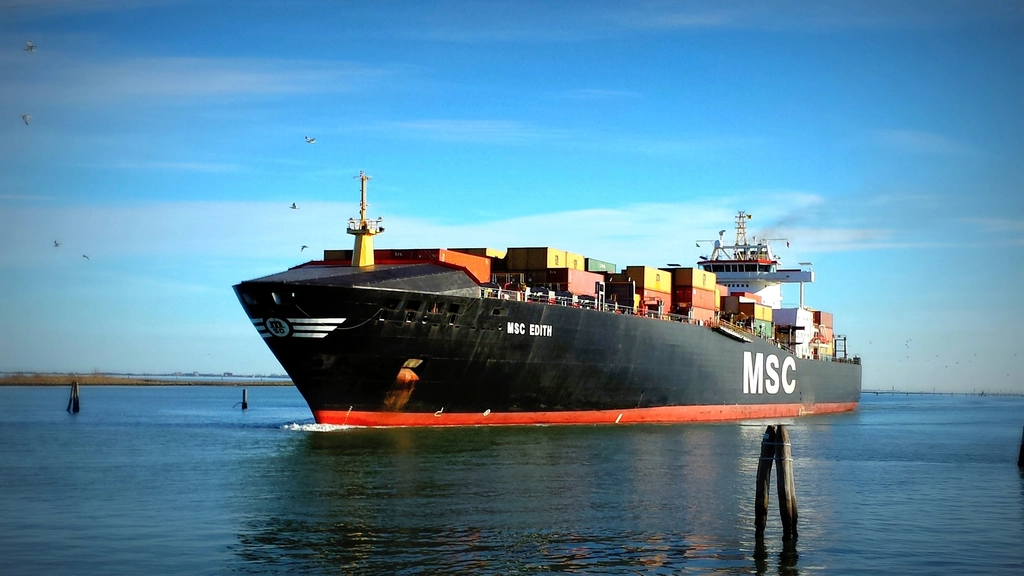
When shipping cargo between the UAE and Egypt, particularly for businesses like factories, importers, and suppliers, choosing between FCL (Full Container Load) and LCL (Less than Container Load) is a critical decision. Opting for FCL vs LCL UAE Egypt often makes financial sense when your shipment volume is substantial enough to fill or nearly fill a container, offering benefits like faster transit times, reduced handling, and potentially lower per-unit costs compared to sharing space.
Understanding FCL and LCL Shipping
Before diving into when to choose which, let's clarify what FCL and LCL mean in the context of sea freight. FCL, or Full Container Load, means your goods occupy an entire shipping container—be it a 20-foot, 40-foot, or even a 40-foot high cube container. The container is sealed at your origin (e.g., your factory in Dubai or Alexandria) and remains sealed until it reaches its destination (e.g., a port in Port Said or Jebel Ali), unless customs intervenes.
LCL, or Less than Container Load, on the other hand, is when your goods don't fill a whole container. Instead, your shipment shares space with other shippers' cargo in the same container. This consolidation is managed by a freight forwarder, who combines multiple LCL shipments into one FCL container.
When is FCL the Smarter Choice for UAE-Egypt Routes?
While LCL might seem appealing for smaller shipments, there are several scenarios where FCL clearly offers superior value, especially for regular importers, exporters, and manufacturers operating between the UAE and Egypt.
1. Volume and Weight Considerations
- Nearing a Full Container: If your cargo volume is close to filling a 20-foot container (approximately 28-30 CBM of usable space) or a 40-foot container (around 60-65 CBM), FCL is almost always more cost-effective. The per-unit cost drops significantly because you're paying a flat rate for the container, not per cubic meter or kilogram.
- Heavy Machinery and Equipment: For factories in Sharjah or industrial zones in Egypt shipping heavy machinery, FCL is essential. It provides dedicated space and avoids the complications of sharing weight limits with other LCL shipments. Joudi Cargo also offers specialized low-bed trailers for heavy machinery transport once the container reaches port, ensuring safe onward delivery.
2. Speed and Efficiency
- Direct Transit: FCL shipments generally have faster transit times. The container goes directly from the origin port (e.g., Jebel Ali) to the destination port (e.g., Alexandria or Port Said) without the need for consolidation or deconsolidation at various hubs. This means fewer touchpoints and less risk of delays.
- Reduced Handling: With FCL, your goods are loaded once and unloaded once. LCL shipments, however, undergo multiple handling stages: from your warehouse to the consolidator, then into the container, out of the container at the destination port, and finally to your warehouse. Each handling increases the risk of damage or loss.
3. Cost-Effectiveness and Predictability
- Lower Per-Unit Costs: As your volume increases, the total cost of an FCL shipment often becomes less than the accumulated costs of an LCL shipment. While LCL might have a lower base price for very small volumes, the various surcharges (handling, documentation, customs clearance fees applied per CBM/weight) can make it more expensive overall for medium to large shipments.
- Stable Pricing: FCL rates, while subject to market fluctuations, are generally more straightforward to quote. LCL pricing can be more complex due to multiple surcharges, making it harder to predict the final cost.
4. Security and Customs Compliance
- Enhanced Security: Your container is sealed at the origin and only opened at the destination, offering a higher level of security against pilferage or damage compared to LCL cargo, which is handled multiple times.
- Streamlined Customs: For shipments to Egypt, navigating the ACID (Advance Cargo Information Declaration) system and CargoX platform is crucial. With FCL, the entire container is under one shipper's declaration, simplifying the process. Joudi Cargo provides expert guidance on these critical steps, ensuring your Egyptian imports and exports comply fully with local regulations.
Considerations for LCL
While FCL offers many advantages, LCL still has its place. If your shipment is genuinely small – perhaps a few pallets or boxes that don't come close to filling a 20-foot container – LCL is the more economical option. It allows you to pay only for the space your cargo occupies, making it ideal for samples, personal effects, or very small commercial consignments.
Joudi Cargo: Your Partner for UAE-Egypt Shipping
At Joudi Cargo, we understand the nuances of shipping between the UAE and Egypt. Whether you're a factory in Abu Dhabi sending machinery to Cairo or an importer in Alexandria receiving goods from Dubai, we offer tailored solutions. We specialize in full-container (FCL) shipping, providing dedicated support for heavy machinery with low-bed trailers and expert guidance on Egypt's ACID and CargoX requirements. For those preferring land routes, our land container and truck shipping service from the UAE to Egypt via Safaga (road through Saudi Arabia, then Duba–Safaga ferry) offers another reliable option. We also handle land freight by container and full trailer truck to and from the entire GCC region.
To determine whether FCL or LCL is the best fit for your specific needs and to get a transparent quote, contact Joudi Cargo today. Our team is ready to help you navigate the complexities of international shipping and ensure your cargo reaches its destination efficiently and cost-effectively. Explore our dedicated services for full-container shipping between the UAE and Egypt.