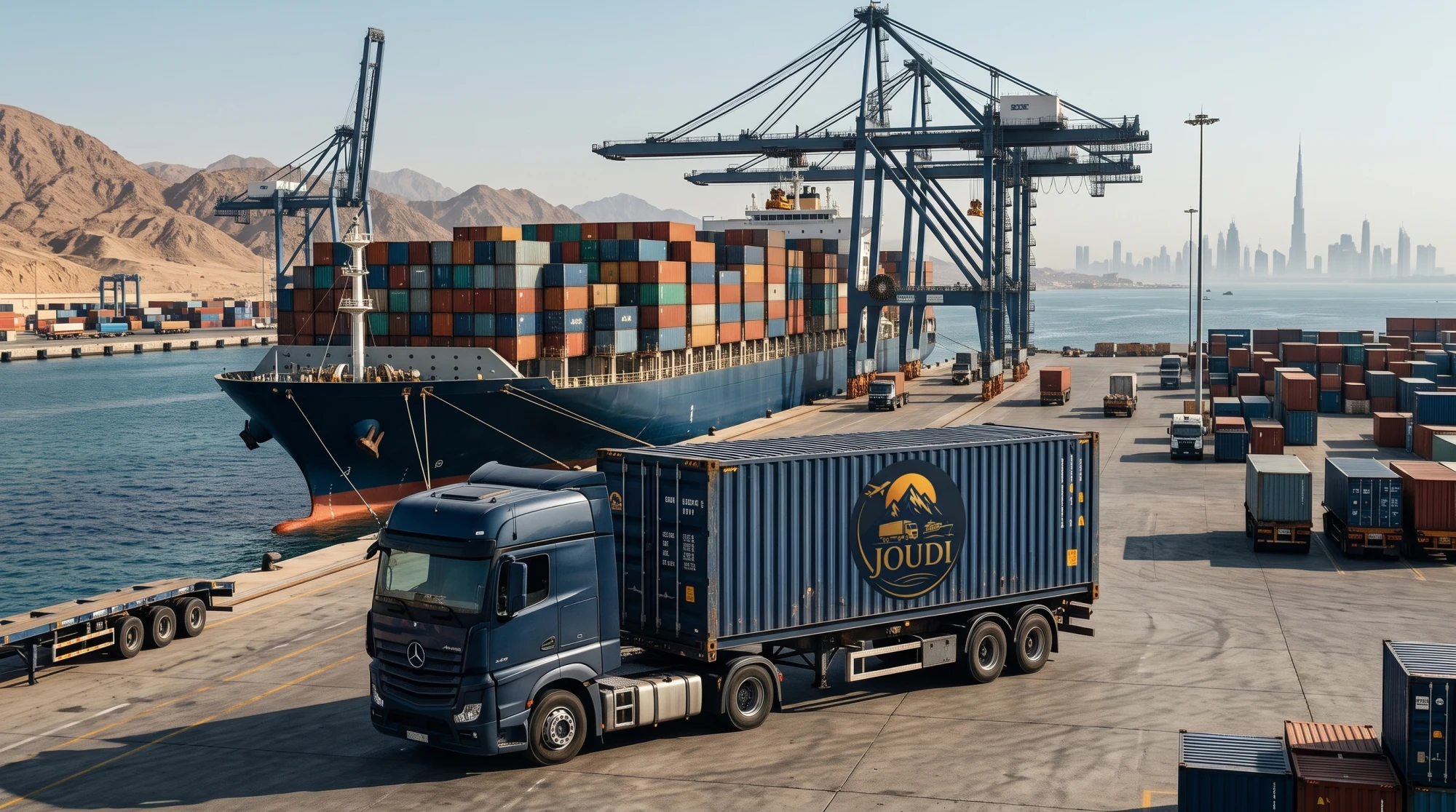
Exporting Egyptian products to the UAE by full container is a streamlined process for factories and suppliers looking to tap into the dynamic UAE market. Utilizing Full Container Load (FCL) shipping ensures efficiency and cost-effectiveness for larger volumes, connecting Egyptian producers with major hubs like Dubai, Abu Dhabi, and Sharjah.
Why Choose Full Container Load (FCL) for Exports from Egypt to the UAE?
For Egyptian factories and suppliers, FCL shipping offers significant advantages when exporting to the UAE. When you book an FCL, you get exclusive use of a 20-foot or 40-foot container. This means your cargo isn't sharing space with other shippers, reducing the risk of damage, delays, and misplacement. It's ideal for high-volume goods, large machinery, or products that require specific handling or security. From textiles and agricultural products to industrial components and heavy equipment, FCL provides a secure and efficient transit.
The UAE, with its strategic location and robust economy, serves as a vital gateway for products not only within the GCC but also for re-export to other parts of the world, including Europe and Africa. By exporting to the UAE, Egyptian businesses gain access to a diverse consumer base and a strong re-export market, enhancing their global reach. Major ports in the UAE, such as Jebel Ali in Dubai, Khalifa Port in Abu Dhabi, and Sharjah's Port Khalid, are equipped to handle vast container volumes, ensuring smooth unloading and customs processing.
The FCL Shipping Process: Egypt to UAE
1. Product Preparation and Documentation
Before your products leave Egypt, ensure they are properly packed and labeled for international sea freight. This involves robust packaging to withstand the journey and clear labeling for easy identification. Crucial documentation includes:
- Commercial Invoice: Details the goods, their value, and the terms of sale.
- Packing List: Itemizes the contents of each package/container.
- Bill of Lading (B/L): The contract between the shipper and carrier, acting as a receipt for the goods and a document of title.
- Certificate of Origin: Verifies where the goods were manufactured, often required for customs and preferential trade agreements.
- Export License (if applicable): Some goods may require specific licenses from Egyptian authorities.
- Customs Declaration: Required for both Egyptian export and UAE import.
It's vital to work closely with your freight forwarder to ensure all documentation complies with both Egyptian export regulations and UAE import requirements. Incorrect or incomplete documentation can lead to significant delays and potential penalties.
2. Booking Your Container and Inland Transportation in Egypt
Once your cargo is ready, the next step is to book your FCL container with a reliable shipping partner like Joudi Cargo. We will arrange for an empty container to be delivered to your factory or warehouse in Egypt for loading. If you're shipping heavy machinery or oversized cargo, we can also arrange for specialized equipment like low-bed trailers for secure inland transport to the Egyptian port.
Common departure ports from Egypt for the UAE include Alexandria, Port Said, and Damietta. Your freight forwarder will advise on the most suitable port based on your location and the shipping line's schedule.
3. Sea Freight Transit and Arrival in the UAE
After your container is loaded and cleared for export from Egypt, it will be loaded onto a vessel bound for the UAE. The transit time typically ranges from a few days to a couple of weeks, depending on the specific ports and shipping line. Upon arrival at a UAE port like Jebel Ali or Khalifa Port, your container will undergo customs clearance.
For UAE customs clearance, you'll need to submit the necessary import documentation. The UAE has a streamlined customs process, but having all your paperwork in order is key. Customs duties, if applicable, will be calculated based on the Harmonized System (HS) codes of your products and their declared value. Our team can guide you through the local customs procedures, helping to ensure a smooth and efficient clearance process.
4. Final Delivery to Your Destination in the UAE
Once cleared, your container can be transported directly from the port to your warehouse, distribution center, or client's premises anywhere in the UAE, be it Dubai, Abu Dhabi, Sharjah, or other emirates. Joudi Cargo offers comprehensive door-to-door services, handling the entire logistics chain from your factory in Egypt to the final delivery point in the UAE.
Cost Considerations for FCL Shipping (Egypt to UAE)
The cost of exporting by FCL from Egypt to the UAE depends on several factors:
- Container Size: 20-foot vs. 40-foot containers have different rates.
- Origin and Destination Ports: Specific ports in Egypt and the UAE.
- Shipping Line and Service Type: Different carriers offer varying rates and transit times.
- Fuel Surcharges: These fluctuate based on global oil prices.
- Terminal Handling Charges (THC): Fees at both origin and destination ports.
- Customs Duties and Taxes: Applicable in the UAE based on product type.
- Inland Transportation: From your factory to the port in Egypt, and from the port to your final destination in the UAE.
- Insurance: Highly recommended to protect your cargo against unforeseen events.
For an accurate and competitive quote tailored to your specific export needs, it's always best to contact Joudi Cargo directly. We provide transparent pricing and help you understand all the components of your shipping costs in AED.
Navigating international logistics can be complex, but with Joudi Cargo, exporting your products by full container from Egypt to the UAE becomes a seamless experience. Our expertise ensures your cargo arrives safely, on time, and efficiently. Contact us today to get a quote for full-container shipping between the UAE and Egypt.