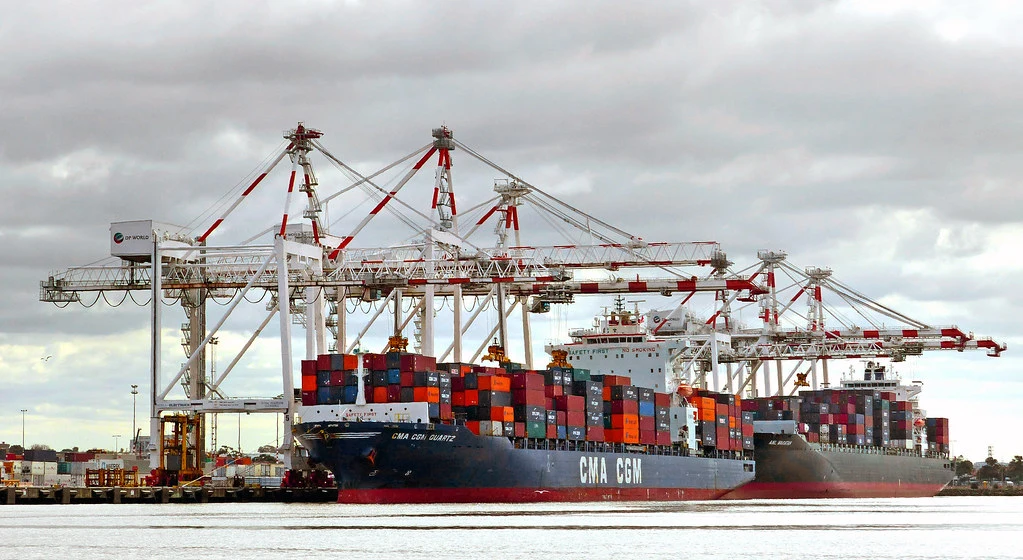
Properly preparing and loading your shipping container is crucial for a smooth and cost-effective journey, especially when shipping from the UAE to Egypt. Following these container loading tips Egypt ensures your goods arrive safely, comply with regulations, and avoid costly delays or damage during transit, whether by sea or via land-sea routes like the Duba-Safaga ferry.
Why Proper Container Loading Matters for UAE-Egypt Shipments
When you're a factory, importer, or supplier in Dubai, Abu Dhabi, or Sharjah sending goods to Egypt, the way your container is loaded directly impacts the success of your shipment. Incorrect loading can lead to shifting cargo, damage, customs complications, and additional expenses. This is particularly vital for full-container load (FCL) shipments, where you have sole responsibility for the container's contents.
- Cargo Safety: Properly secured cargo prevents damage from movement, vibrations, and sudden stops during ocean voyages or road transit.
- Compliance & Customs: Correct loading helps avoid issues with Egyptian customs, including their strict ACID (Advance Cargo Information Declaration) system and CargoX platform requirements.
- Cost Efficiency: Maximizing space efficiently can reduce the need for multiple containers, saving on shipping costs (which can range from AED thousands depending on container size and destination).
- Reduced Delays: Well-prepared containers are less likely to be held up for inspection due to loading concerns, ensuring your delivery schedules are met.
Key Steps for Preparing Your Container Before Loading
Before you even begin placing items inside, ensure the container itself is ready. Joudi Cargo provides high-quality containers, but a final check is always a good practice.
- Inspect the Container: Before loading, thoroughly inspect the container for any damage, holes, leaks, or signs of pest infestation. Ensure the floor is clean, dry, and free of protruding nails or splinters. Check that the doors open and close smoothly and that the locking mechanisms are secure.
- Understand Weight Distribution: Distribute the weight evenly across the container floor. Heavy items should be placed at the bottom and center. Avoid concentrating too much weight in one area, which can compromise the container's structural integrity or cause instability during transit. The maximum payload for a standard 20ft container is typically around 28,000 kg, and for a 40ft container, it's about 26,000 kg, but always confirm with your shipping partner and local regulations.
- Proper Packaging: All goods should be packed in durable materials suitable for international shipping. Use sturdy boxes, crates, or pallets. For sensitive or fragile items, consider extra padding, shock absorbers, or custom crating. Label all packages clearly with contents, handling instructions (e.g., 'Fragile,' 'This Way Up'), and destination information.
- Secure Your Cargo: This is perhaps the most critical step. Use lashing straps, dunnage bags (airbags), wooden bracing, and anti-slip mats to prevent cargo from shifting. Fill any empty spaces to eliminate movement. For heavy machinery, especially when using low-bed trailers for land transport or during sea voyages, specialized securing techniques are essential to prevent any displacement.
- Plan Your Load: Create a loading plan or manifest in advance. This helps optimize space, ensures accessibility for customs inspections (if required), and facilitates unloading at the destination. Place items that will be unloaded first closer to the doors.
Special Considerations for Shipping to Egypt and the GCC
When shipping from the UAE to Egypt, or even across the GCC to Saudi Arabia, Kuwait, Qatar, Oman, and Bahrain, there are specific nuances to consider for container loading.
Egyptian Regulations (ACID & CargoX)
Egypt's Advanced Cargo Information Declaration (ACID) system, managed via the CargoX platform, requires precise documentation and adherence to specific cargo declarations. While this primarily concerns paperwork, accurate cargo descriptions and weights on your packing list, derived from your loading process, are vital for ACID approval. Discrepancies can lead to significant delays and penalties.
Heavy Machinery & Low-Bed Trailers
For factories shipping heavy machinery from the UAE to Egypt, whether via sea or the land-sea route through Safaga, secure loading is paramount. Joudi Cargo specializes in handling such cargo, often utilizing low-bed trailers for optimal stability and height clearance during land portions of the journey. Ensure machinery is properly disassembled (if required), secured with heavy-duty chains and chocks, and protected from environmental factors.
Land Freight to the GCC
For land freight by container and full trailer truck to and from Saudi Arabia, Kuwait, Qatar, Oman, and Bahrain, the vibrations and movements on roads can be different from sea voyages. Reinforce securing methods, especially for fragile goods or those susceptible to shifting. Consider climate control for sensitive items during long hauls through varying desert temperatures.
By following these guidelines, you can significantly reduce the risk of damage and delays, ensuring your goods reach their destination in Egypt or across the GCC efficiently. For precise guidance on your specific cargo and to get a tailored quote, don't hesitate to contact Joudi Cargo today. Our team is ready to assist with all your full-container shipping needs between the UAE and Egypt, land container shipping to Safaga, and land freight services across the GCC.