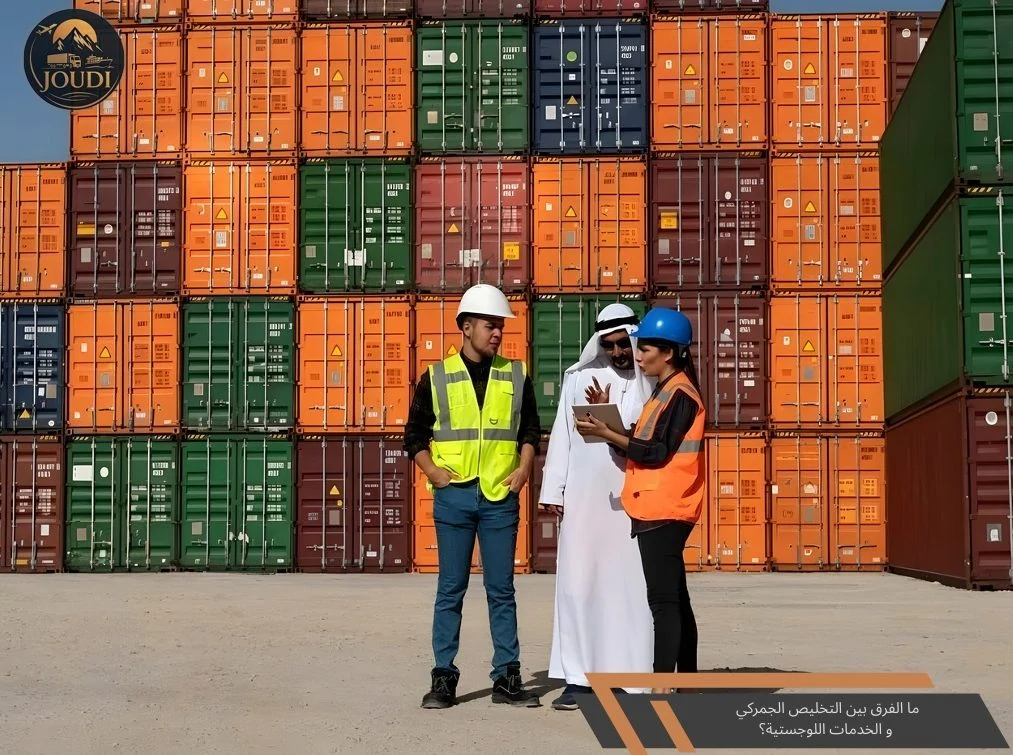
A certificate of origin for UAE Egypt container shipments is a crucial document that verifies where your goods were manufactured, processed, or produced. You typically need it to qualify for preferential tariffs under trade agreements, comply with import regulations in Egypt, or when the value of your shipment exceeds a certain threshold, ensuring a smoother customs clearance process for your exports from the UAE to Egypt or vice versa.
Why is a Certificate of Origin Essential for UAE-Egypt Container Shipments?
When you're shipping goods in containers between the UAE and Egypt, whether you're a factory in Jebel Ali exporting machinery or an importer in Cairo bringing in consumer goods, understanding the role of a Certificate of Origin (COO) is paramount. This document isn't just another piece of paper; it's a passport for your goods, influencing duties, taxes, and overall customs efficiency.
The primary reason for needing a COO is to determine the origin of your products. This origin dictates whether your shipment qualifies for reduced or zero customs duties under existing trade agreements, such as the Greater Arab Free Trade Area (GAFTA) agreement, which both the UAE and Egypt are part of. Without a valid COO, your goods might be subjected to higher Most Favored Nation (MFN) tariffs, significantly increasing your landed cost.
Beyond tariff benefits, a COO is often a mandatory requirement for customs clearance in Egypt, especially for commercial shipments. It helps Egyptian authorities track the flow of goods, enforce trade policies, and prevent illegal imports. For specific product categories, like agricultural products or textiles, a COO might also be required for health, safety, or quality control purposes. Failing to provide one can lead to delays, penalties, or even rejection of your shipment at the port, whether it's Ain Sokhna or Alexandria.
When Exactly Do You Need a Certificate of Origin?
While a COO is generally recommended for most commercial container shipments between the UAE and Egypt, there are specific scenarios where it becomes absolutely necessary:
- To claim preferential tariffs: If your goods originate from the UAE (or Egypt) and meet the rules of origin criteria under GAFTA or other bilateral agreements, a COO is essential to benefit from lower or zero duties. This can save businesses in Dubai and Abu Dhabi significant amounts on their exports.
- Mandatory import requirements: Egyptian customs often mandates a COO for many types of commercial goods, regardless of tariff benefits. This is a common requirement for a wide range of products, from industrial components to consumer electronics.
- Consignment value thresholds: Some countries (though less common between UAE and Egypt for COOs specifically) might waive the requirement for very low-value shipments. However, for the typical container loads handled by factories and importers, the value almost always necessitates a COO.
- Letters of Credit (LCs): If your trade transaction is financed through a Letter of Credit, the issuing bank will almost certainly list a COO as a required document for payment release.
- Specific product regulations: Certain goods, like food products, pharmaceuticals, or goods subject to anti-dumping duties, may have specific origin documentation requirements that a standard COO helps fulfill.
How to Obtain a Certificate of Origin in the UAE
Getting a COO in the UAE for your container shipments to Egypt is a straightforward process, primarily handled by the Chambers of Commerce and Industry across the Emirates. Here's a general guide:
- Gather Required Documents: You'll need several key documents to apply. These typically include the commercial invoice, packing list, bill of lading (or airway bill), a trade license copy of the exporting company, and often a declaration of origin from the manufacturer (if different from the exporter). For goods not manufactured in the UAE, you might need a re-export COO, which also requires the original COO from the actual country of origin.
- Register with the Chamber of Commerce: Your company must be registered with the relevant Chamber of Commerce in the UAE (e.g., Dubai Chamber, Abu Dhabi Chamber, Sharjah Chamber). This is usually an annual membership.
- Submit Your Application: Applications can often be submitted online through the respective Chamber's portal. You'll fill out the COO application form, specifying the goods, their HS codes, consignee details, and the country of destination (Egypt).
- Verification and Approval: The Chamber of Commerce will review your application and supporting documents to verify the origin of the goods. This might involve checking manufacturing statements or purchase invoices.
- Issuance and Attestation: Once approved, the COO will be issued. It will then need to be attested by the Chamber and sometimes by the Ministry of Foreign Affairs and International Cooperation (MOFAIC) for certain destinations or if requested by the consignee or bank. The fees for issuance and attestation vary but are generally in the range of AED 50 to AED 200 per document, depending on the Chamber and services required.
- Shipping Documents Integration: The original COO, along with other essential shipping documents like the commercial invoice and bill of lading, must accompany your container shipment to Egypt for customs clearance.
Expert Guidance for Seamless UAE-Egypt Container Shipping
Navigating the complexities of international shipping documentation, including the Certificate of Origin and Egypt's ACID and CargoX requirements, can be daunting for factories, importers, and suppliers. Joudi Cargo specializes in simplifying this process for full-container (FCL) shipping between the UAE and Egypt, whether by sea or by land via Safaga.
Our expertise ensures your documentation is accurate and compliant, preventing costly delays. We handle everything from FCL ocean freight from Jebel Ali to Port Said, to land container shipping from Dubai through Saudi Arabia and the Duba-Safaga ferry, and even provide low-bed trailers for heavy machinery. Let us take the hassle out of your cross-border logistics.
For a detailed quote on your next container shipment between the UAE and Egypt, and expert advice on all required documentation, including the certificate of origin, please contact Joudi Cargo today.